How Long Meal Prep Lasts in the Fridge and Freezer
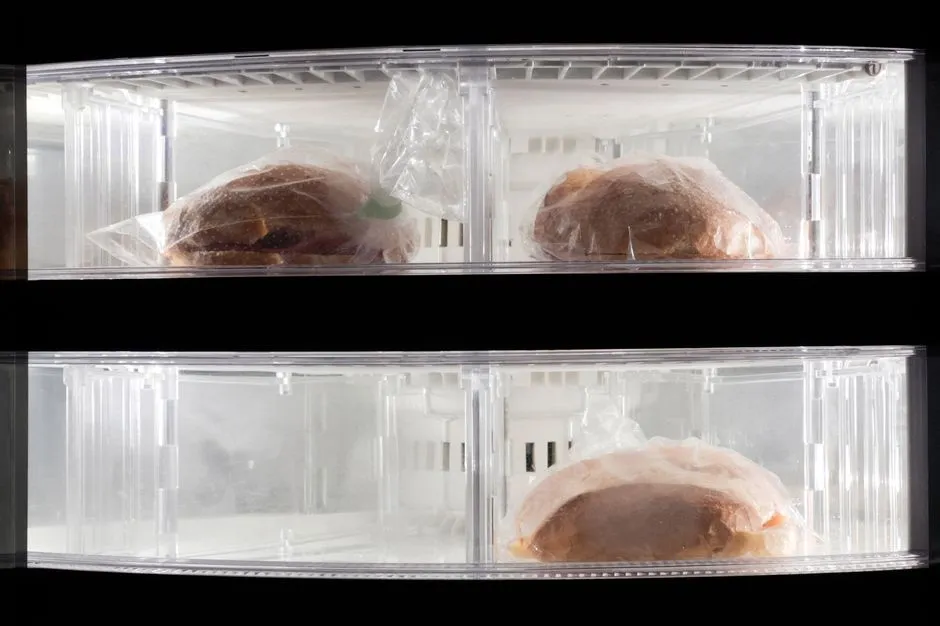
- The refrigerator window is shorter than the workweek
- Core time-and-temperature chart
- Count from preparation day
- Cool in shallow portions
- Store raw and cooked food separately
- Mixed meals follow the shortest clock
- Freeze as soon as the plan changes
- Safety is indefinite; quality is not
- Choose freezer-friendly components
- Thaw safely
- Power outages need a separate decision
- Smell is a quality clue, not a safety test
- Transport does not pause the clock
- Reheat only safely stored food
The refrigerator window is shorter than the workweek
Most cooked meal prep belongs in a refrigerator at 40°F (4°C) or below for 3 to 4 days. That means a Sunday batch does not automatically remain a sound Friday lunch. Freeze later portions early, prepare a second smaller batch, or make Friday something else.
The rule assumes food was cooked safely, divided for rapid cooling, and refrigerated within 2 hours. Storage time cannot repair a bad start. A labeled container is useful evidence; a confident sniff is not.
Core time-and-temperature chart
| Situation | General guidance |
|---|---|
| Cooling deadline after cooking | Refrigerate within 2 hours; within 1 hour above 90°F (32.2°C) |
| Refrigerator temperature | 40°F (4°C) or below |
| Most cooked leftovers | 3 to 4 days refrigerated |
| Freezer temperature | 0°F (-18°C) or below |
| Frozen food held continuously at 0°F | Safe indefinitely; quality declines |
| Reheating leftovers | 165°F (73.9°C) throughout |
| Cumulative room-temperature exposure | Discard when the total exceeds 2 hours; 1 hour above 90°F |
These are broad USDA rules. A package label, ingredient-specific chart, or health professional may require a shorter period. Apply the shortest relevant instruction to a mixed meal.
Count from preparation day
Day one begins when the food is cooked or prepared, not when you first open the box. If chicken and rice were made Sunday, Sunday is day one and Wednesday is day four. Eat or freeze it by the end of Wednesday; Thursday is day five and falls outside this counting convention.
Write the date and food name immediately. If helpful, add “eat by Wednesday” under this day-one convention. Do not relabel the same food after moving it into a prettier container.
When a meal combines components made on different days, count from the oldest perishable component. Tuesday sauce does not make Sunday's rice younger.
Our three-day beginner system avoids this ambiguity by cooking one short batch and freezing any later portion on day one.
Cool in shallow portions
USDA recommends shallow containers for rapid cooling. Divide a stockpot or sheet-pan batch into meal-size boxes rather than placing one deep hot vessel in a crowded refrigerator.
Keep space around containers while they cool. Follow manufacturer limits for adding hot food to glass or plastic. Lids can remain slightly vented only during active refrigerator cooling when appropriate, then should be sealed to protect the food.
Do not leave food on the counter until it feels cold. The 2-hour rule covers the entire time after cooking, and the refrigerator is where safe cooling should continue.
A refrigerator thermometer is more reliable than the control dial. Check that the appliance remains at 40°F or below, including during hot weather and heavy loading.
Store raw and cooked food separately
Place cooked ready-to-eat meal prep above raw meat, poultry, seafood, or eggs so leaking packages cannot drip onto it. Keep raw items contained on a rimmed tray.
Use clean utensils for portioning. Never top a cooked box with a spoon that handled raw meat. Clean spills promptly and avoid packing a shelf so tightly that cold air cannot circulate.
If a container cracks, leaks, or loses its seal, move the food with clean utensils into an intact food-safe container while it remains within the safe window. Record the original preparation date.
Mixed meals follow the shortest clock
A meal-prep box may contain cooked chicken, rice, roasted vegetables, sauce, cut herbs, cheese, egg, seafood, or a commercial product with its own after-opening instruction. Use the shortest applicable limit.
Seafood, creamy sauces, cut produce, deli items, and prepared salads can have distinct guidance. Check the FoodSafety.gov cold storage chart and product label for the exact item.
Pack toppings separately when that improves quality, but separation does not extend an item's safety window. A tiny sauce cup can still be perishable. Labels need dates even when the container is adorable.
Freeze as soon as the plan changes
If you know on preparation day that a portion is for next week, freeze it then. Waiting until day four uses most of the refrigerated window and gives quality more time to decline.
Freezing at 0°F stops microbial growth but does not kill every organism or remove toxins that may have formed during unsafe handling. It pauses the food's current condition. Food already beyond a safe limit does not become safe because it acquired frost.
Cool food promptly before freezing, then package airtight in meal-size portions. Remove excess air, leave appropriate headspace, and use freezer-rated containers. Label food, preparation date, and freeze date.
Our chicken and rice meal prep refrigerates three portions and freezes the fourth when it will fall outside the 3-to-4-day window.
Safety is indefinite; quality is not
Food held continuously at 0°F remains safe indefinitely, according to FoodSafety.gov, but texture, flavor, color, and moisture continue changing. Its cold-storage chart gives cooked meat and poultry leftovers a broad best-quality range of about 2 to 6 months.
Other components vary. Cooked rice may dry; vegetables may soften; sauces may separate; fried coatings lose crispness. A quality change does not automatically mean danger, while a normal appearance does not prove a safe handling history.
For an ordinary mixed meal, a 2-to-3-month house rotation target keeps quality reasonable without pretending every ingredient has the same official freezer window. Apply a shorter label or authoritative instruction where present.
Choose freezer-friendly components
Good candidates include cooked grains, beans, stews, soups, curries, roasted meat, many casseroles, and firm cooked vegetables. Less successful candidates include dressed leafy salads, watery raw vegetables, crisp fried items, and some emulsified sauces.
Freeze sauce separately when it can split or overpower other components. Leave crunchy garnishes out until serving. Slightly undercook vegetables only when the recipe can still be cooked safely and finished during reheating; do not undercook poultry or ground meat for later.
Never partially cook meat and refrigerate it to finish another day unless an authoritative method specifically validates the continuous process. Cook it to the safe endpoint in the first session.
Thaw safely
Use one of three methods:
- Refrigerator: Place the frozen meal on a tray and allow enough time to thaw while staying at 40°F or below.
- Cold water: Keep food in leakproof packaging, submerge in cold water, and change water every 30 minutes. Cook immediately.
- Microwave: Use a microwave-safe dish and defrost setting, then cook immediately.
Do not thaw on the counter. The exterior can enter unsafe temperatures while the center remains frozen.
For a commercial frozen meal, follow its validated package directions. For homemade meals reheated from frozen, use a tested method and verify 165°F throughout.
Power outages need a separate decision
Keep refrigerator and freezer doors closed. Use appliance thermometers and official power-outage guidance rather than guessing from how cold a package feels.
USDA generally notes that a closed refrigerator keeps food safe for about 4 hours and a full freezer for about 48 hours, or about 24 hours when half full, if doors remain closed. Actual decisions depend on measured temperature, time, ice crystals, and official instructions.
Do not taste food to test it. When outage history is unclear, use the official discard chart or throw it away. Re-freezing cannot correct unsafe warming.
Smell is a quality clue, not a safety test
Discard food showing mold, slime, gas, leaking, or an off odour. But absence of those signs does not establish safety; pathogens can be present without changing smell or appearance.
Use dates, temperature, storage history, and official limits. A container whose origin nobody remembers is not a mystery tasting menu. Discard it.
Do not scrape mold off soft or mixed foods and eat the rest. Follow authoritative item-specific guidance.
Transport does not pause the clock
A commute, school run, or picnic is part of storage history. Carry perishable meal prep in an insulated bag with sufficient ice or frozen gel packs to hold 40°F or below, then place it in a refrigerator on arrival. Keep the lunch out of sunlight and never treat a cool morning as refrigeration for the afternoon.
For hot transport, use equipment designed to hold food at 140°F or above and verify temperature; an ordinary lidded container is not a validated hot-holding device. When reliable hot or cold control is unavailable, choose a shelf-stable meal whose labels support that use.
Record how long food spends outside controlled storage. The 2-hour room-temperature limit is cumulative across packing, driving, serving, and returning leftovers, not a fresh allowance at each location.
Reheat only safely stored food
Transfer one portion to suitable cookware, heat evenly, stir or rotate, and verify 165°F in several places. Our reheating guide covers moisture and cold spots.
Reheating does not reset the original 3-to-4-day clock and cannot make improperly cooled food safe. If a reheated portion remains, refrigerate within 2 hours, but repeated cycles increase handling and damage quality. Portion smaller at the start.
The memorable system is simple: cook safely, chill within 2 hours, label day one, refrigerate 3 to 4 days, freeze earlier for later meals, and reheat to 165°F. The freezer is a pause button. It is not a time machine, and the refrigerator is definitely not a week-long hotel.
This article provides general food-preparation information. Follow current USDA or applicable local guidance, product labels, appliance instructions, and qualified advice for individual dietary, allergy, or health needs. When time or temperature safety is uncertain, discard the food.